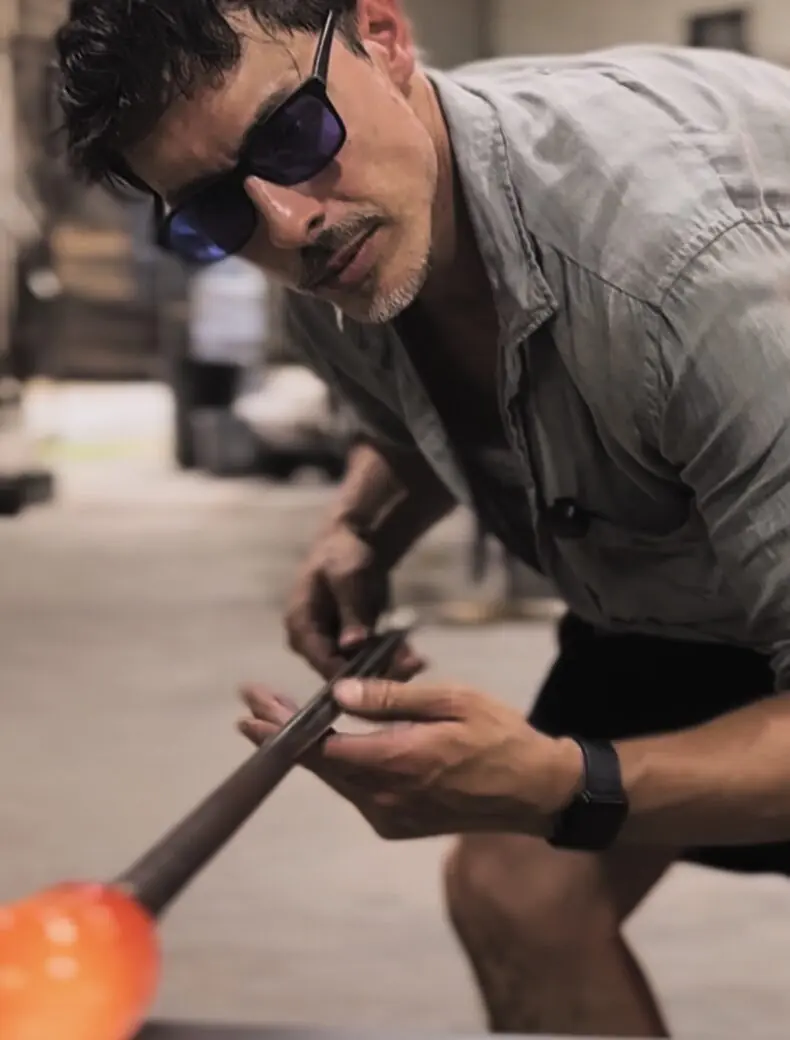
Alejandro
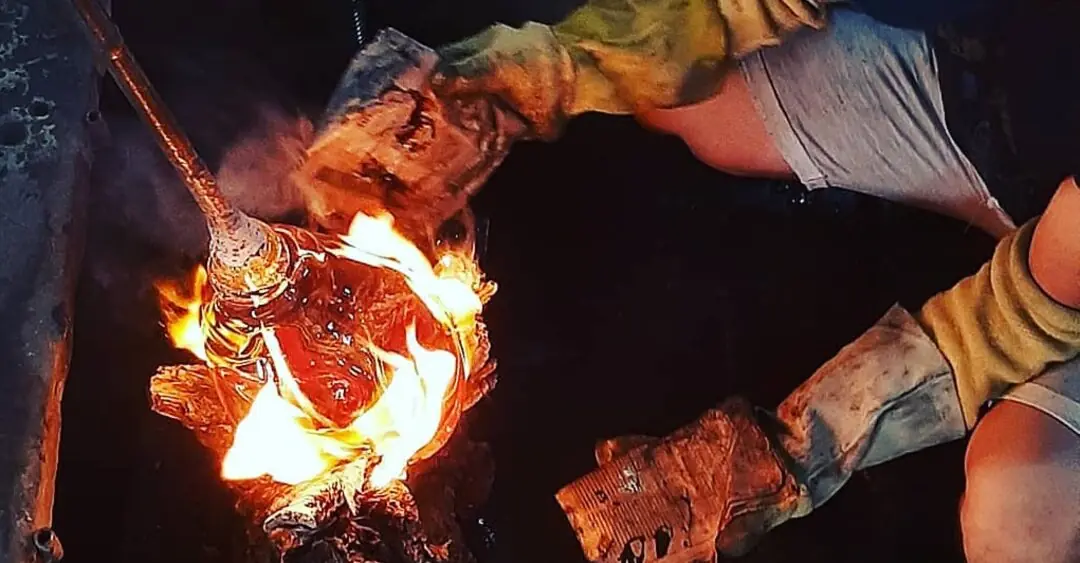
Master glassblower — Works blown glass directly onto organic materials. His work explores the exact point where fire transforms matter without destroying it.
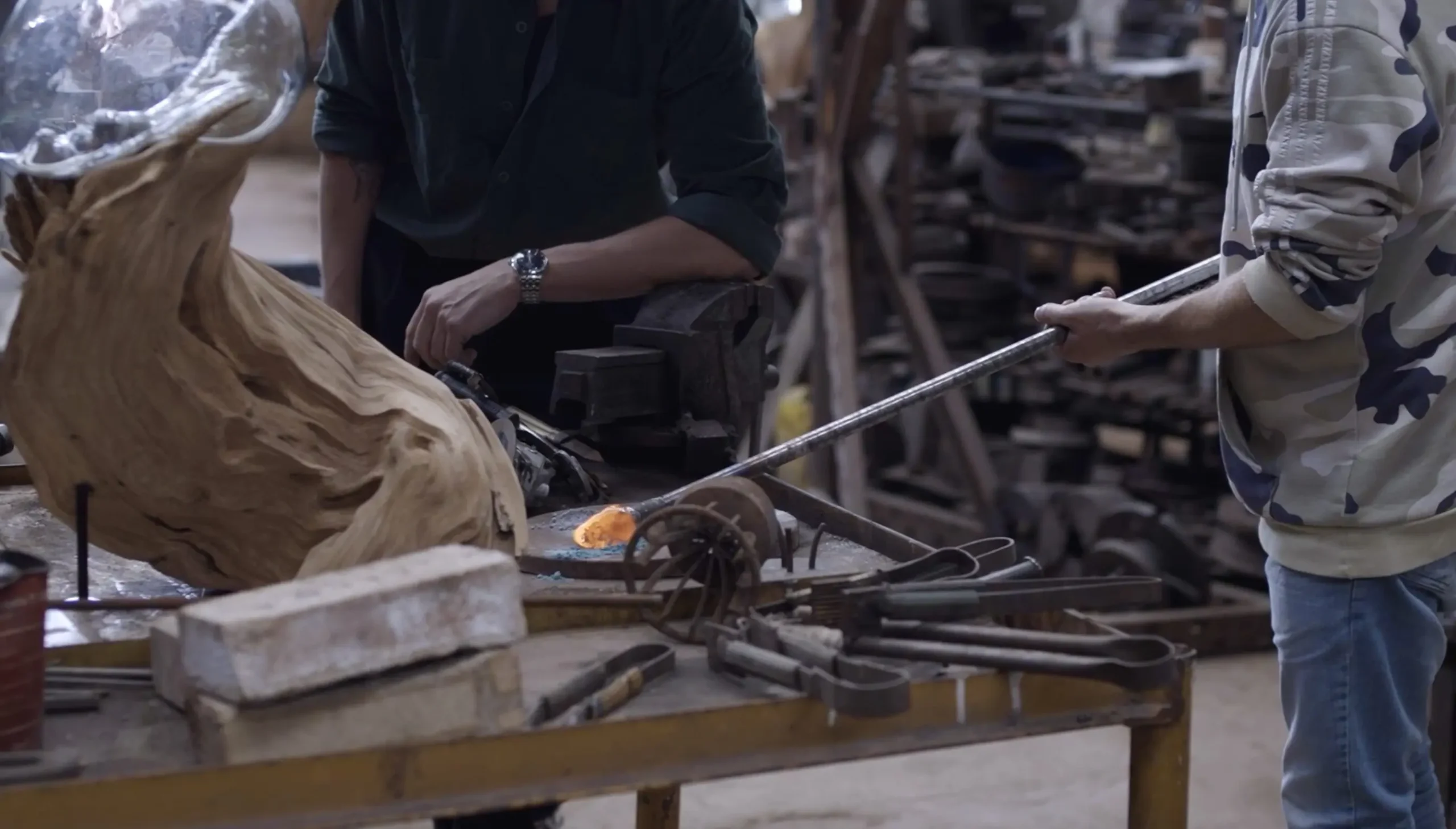
A collective of artists and craftspeople working glass, wood, stone and iron from a single workshop.
THE ARTISTS
TAKSZU is not a brand. It is a shared workshop where each maker brings their discipline, their eye and their hands. Collective work does not dilute authorship — it multiplies it.
Master glassblower — Works blown glass directly onto organic materials. His work explores the exact point where fire transforms matter without destroying it.
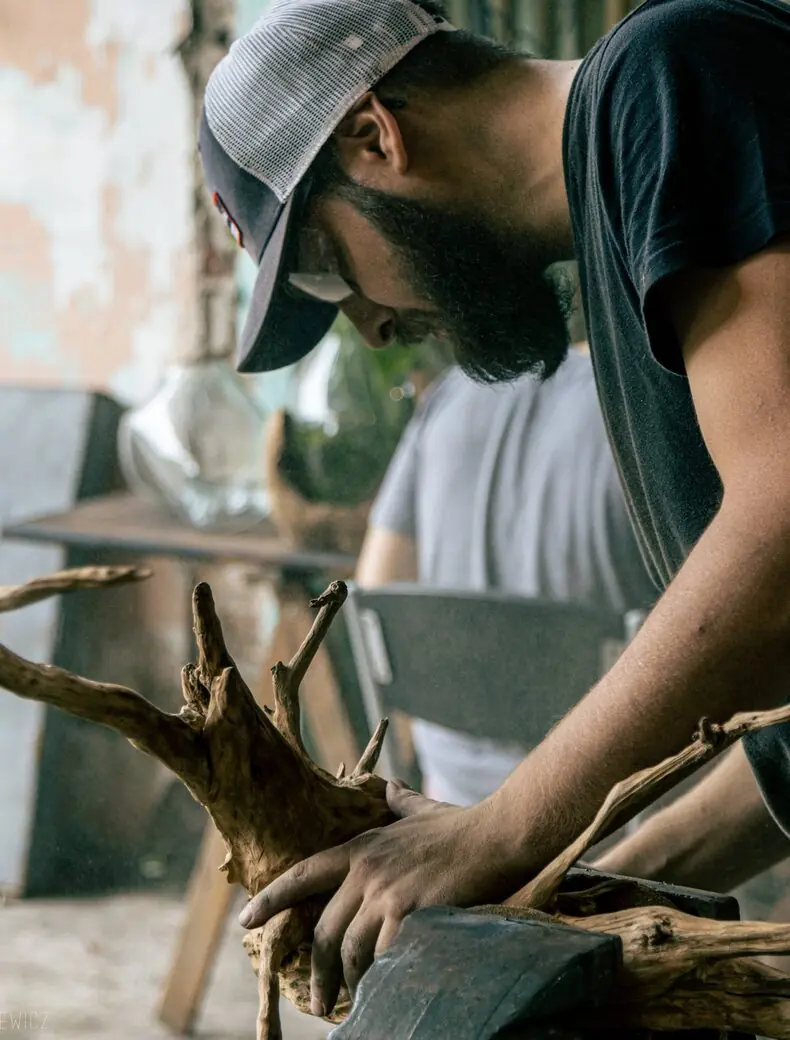
Cabinetmaker — Selects and prepares every piece of reclaimed wood. He looks in the natural form of the trunk for the structure the sculpture already holds.
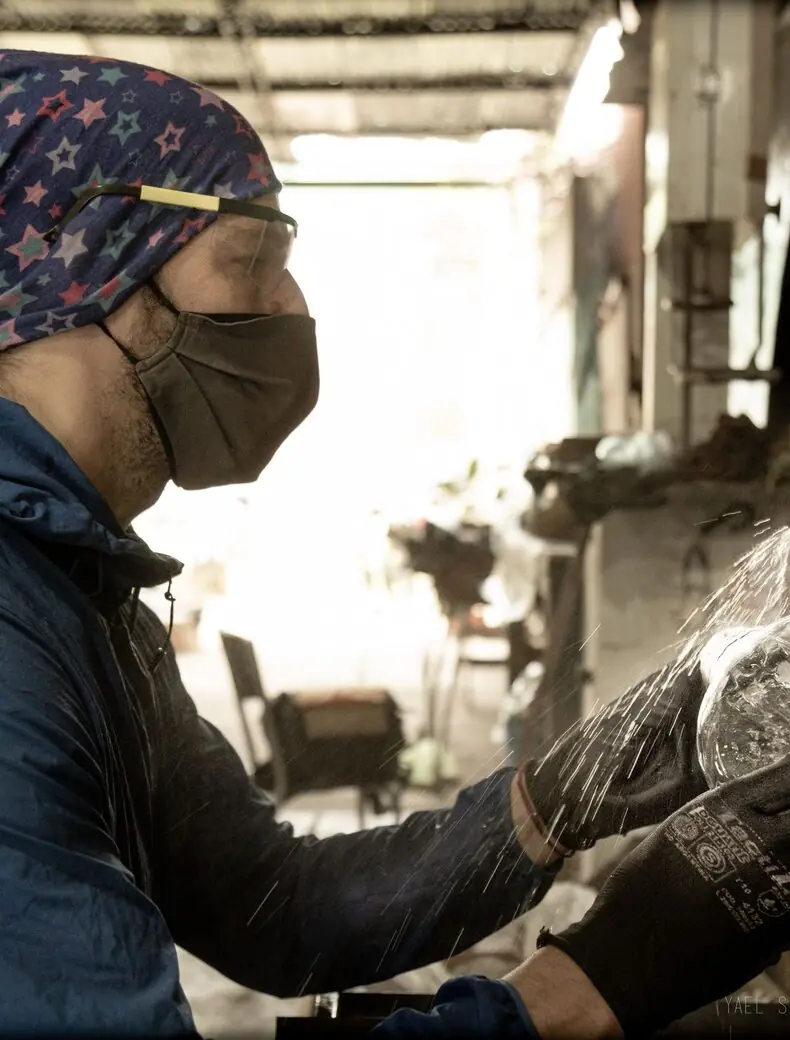
Works metal and other materials to create structures that hold, embrace and put into tension the pieces of glass and wood.
MATERIALS WITH A SECOND LIFE
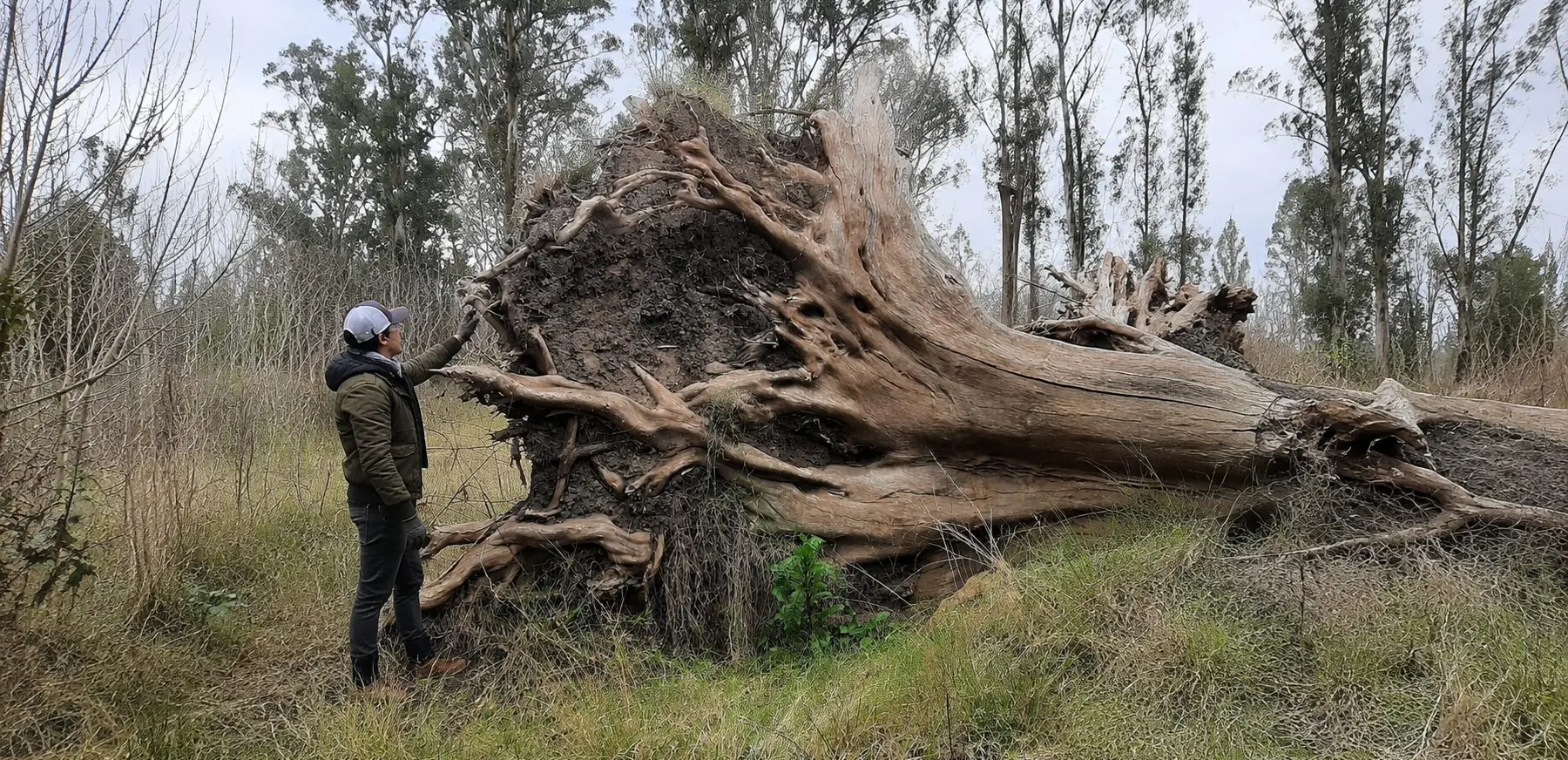
Every piece of wood that enters the workshop has a previous life. Trunks brought down by storms, branches rescued from pruning, roots unearthed by erosion. We are not looking for perfect wood — we are looking for wood with memory. Selection matters as much as transformation. We walk forests, fields and riverbanks identifying pieces that already hold a latent sculptural form. Wood is not cut — it is found, rescued, transformed.
THE ART OF THE JOINT
Every object is built through the tension between masses. The point of contact between glass and wood, between iron and stone, is where the intelligence of the piece resides. We use no adhesives and no visible mechanical joints. Gravity, pressure and geometry hold each object together. A perfect joint produces a sense of vertigo — as though the piece were constantly negotiating its own balance.
GRAVITY
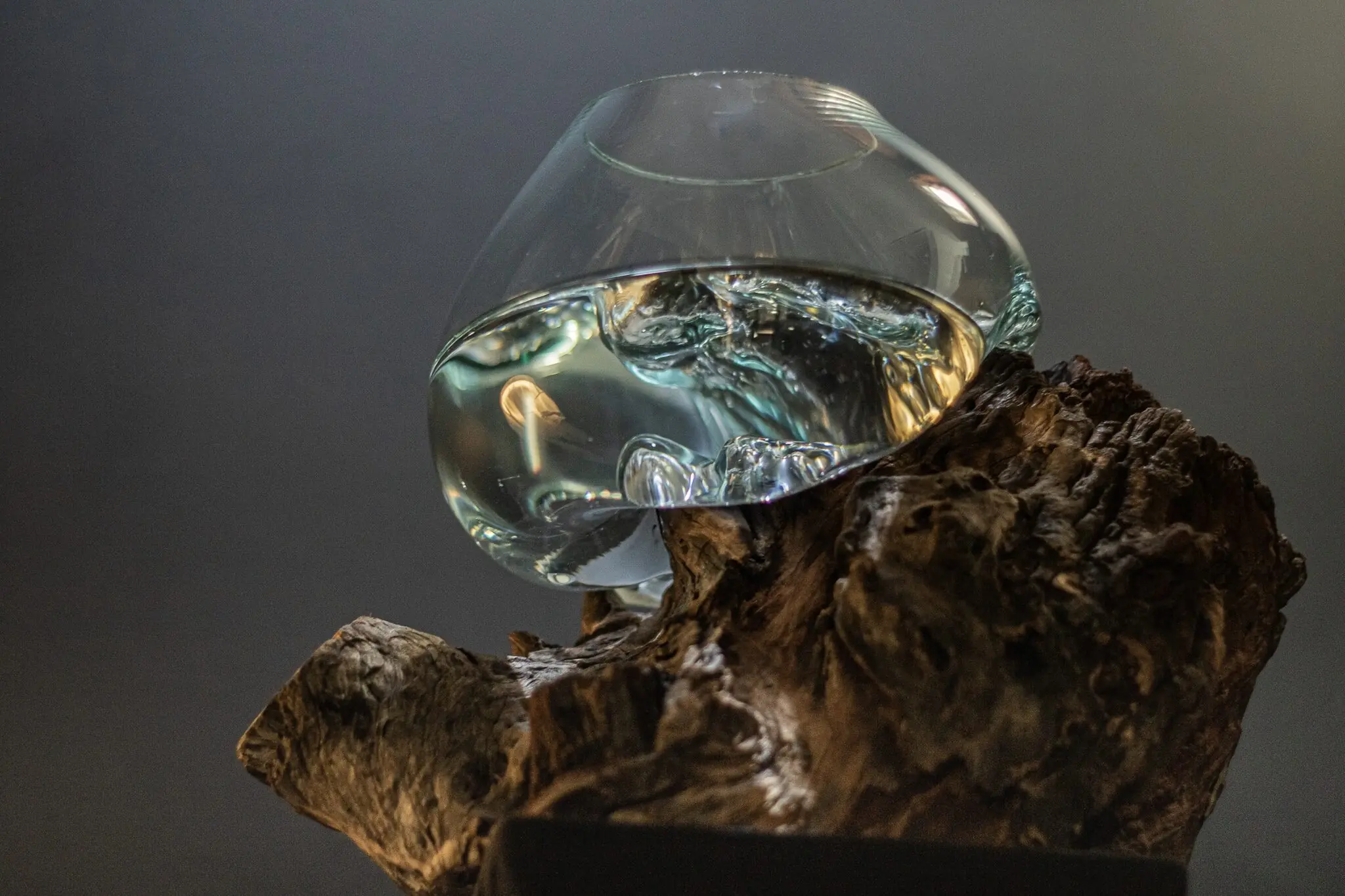
The artistic value of each piece grows with the complexity of the union between materials, and with the need for one material to hold the other. A small vessel where glass embraces a branch with millimetric precision holds more sculptural tension than a monumental piece of furniture. Gravity is not an obstacle — it is the invisible material that completes every work.
LOGBOOK
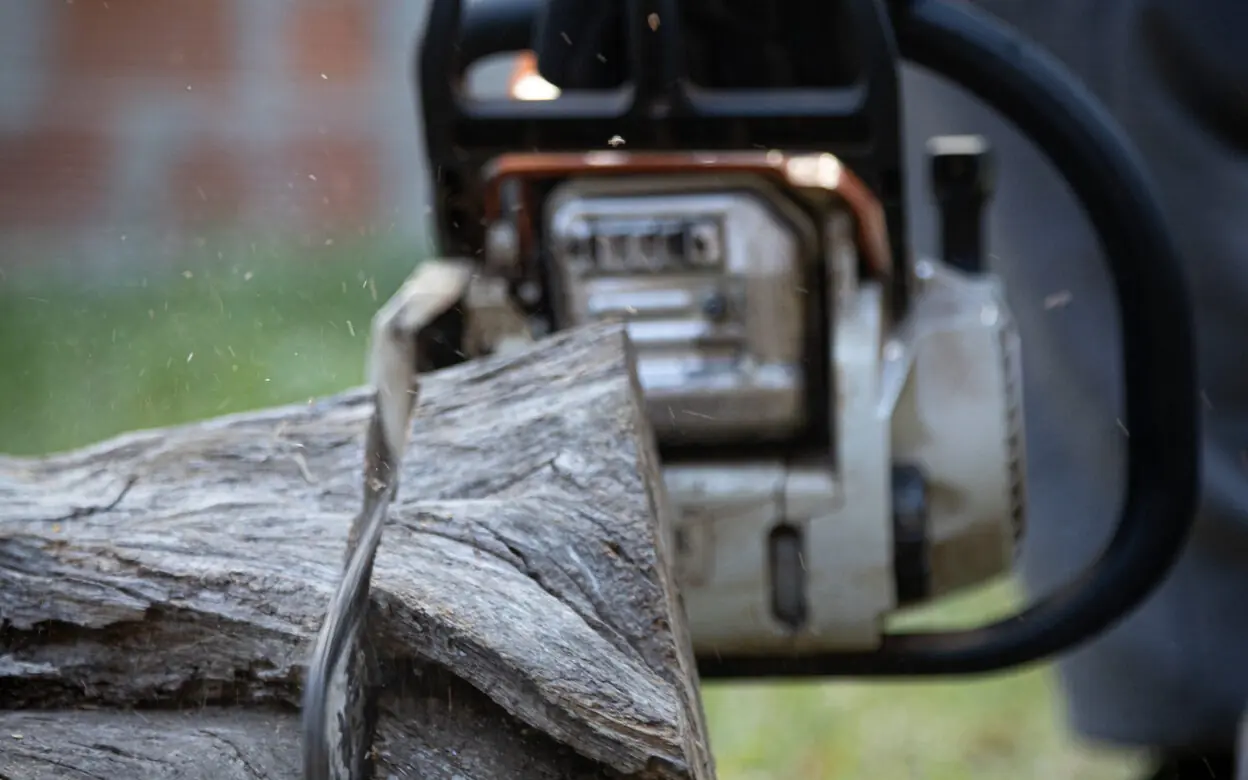
The saw finds the grain and the trunk reveals its interior geography. Every first cut carries an irreversible decision: read the wood before transforming it.
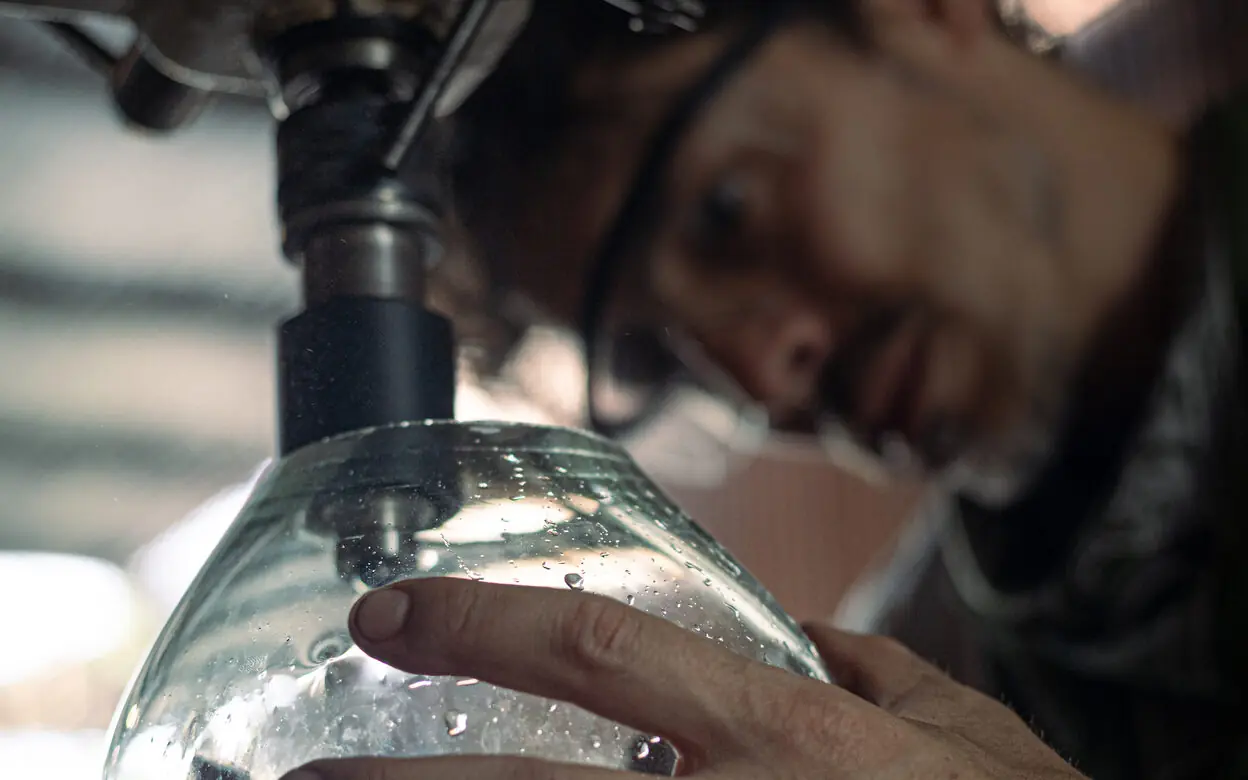
Looking at blown glass from within, searching with the fingers for the exact line where the thickness gives way. The workshop silent, the piece still hot.
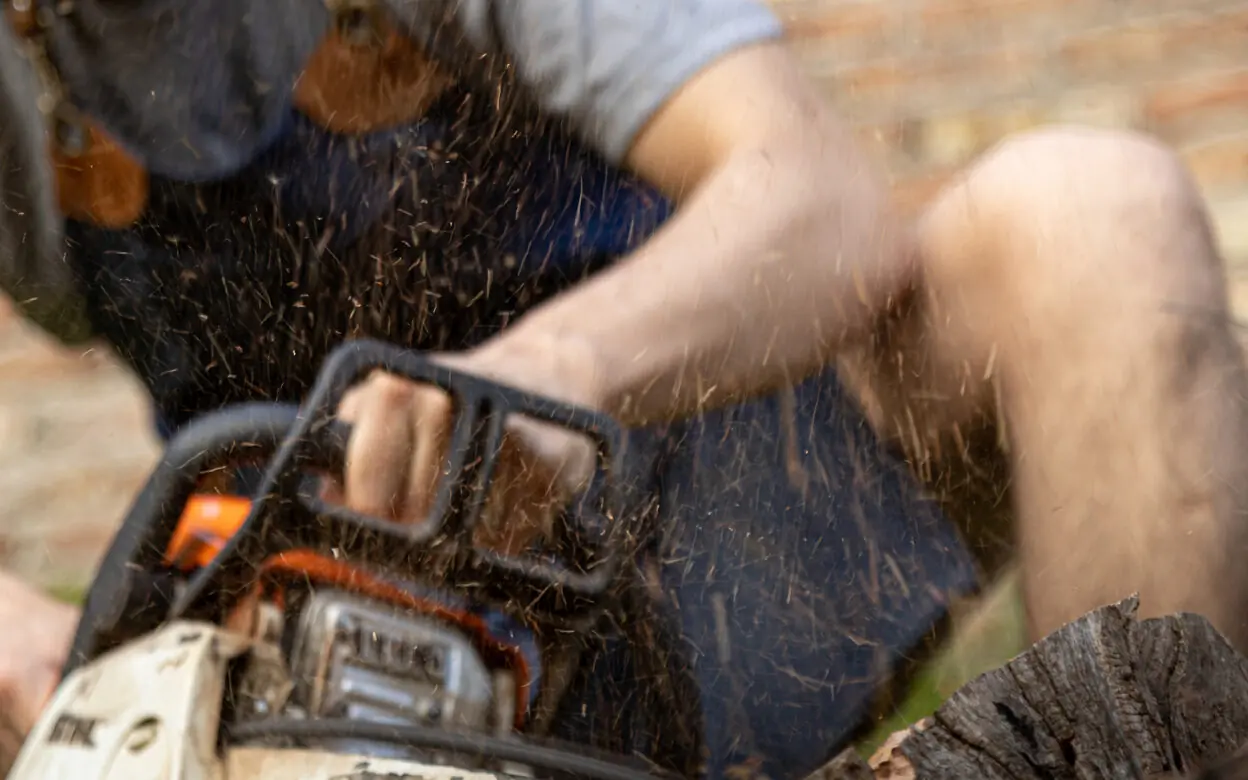
Particles of oak hang for an instant before falling. Roughing out with the saw is the most violent gesture in the process — and the most necessary to find the form.
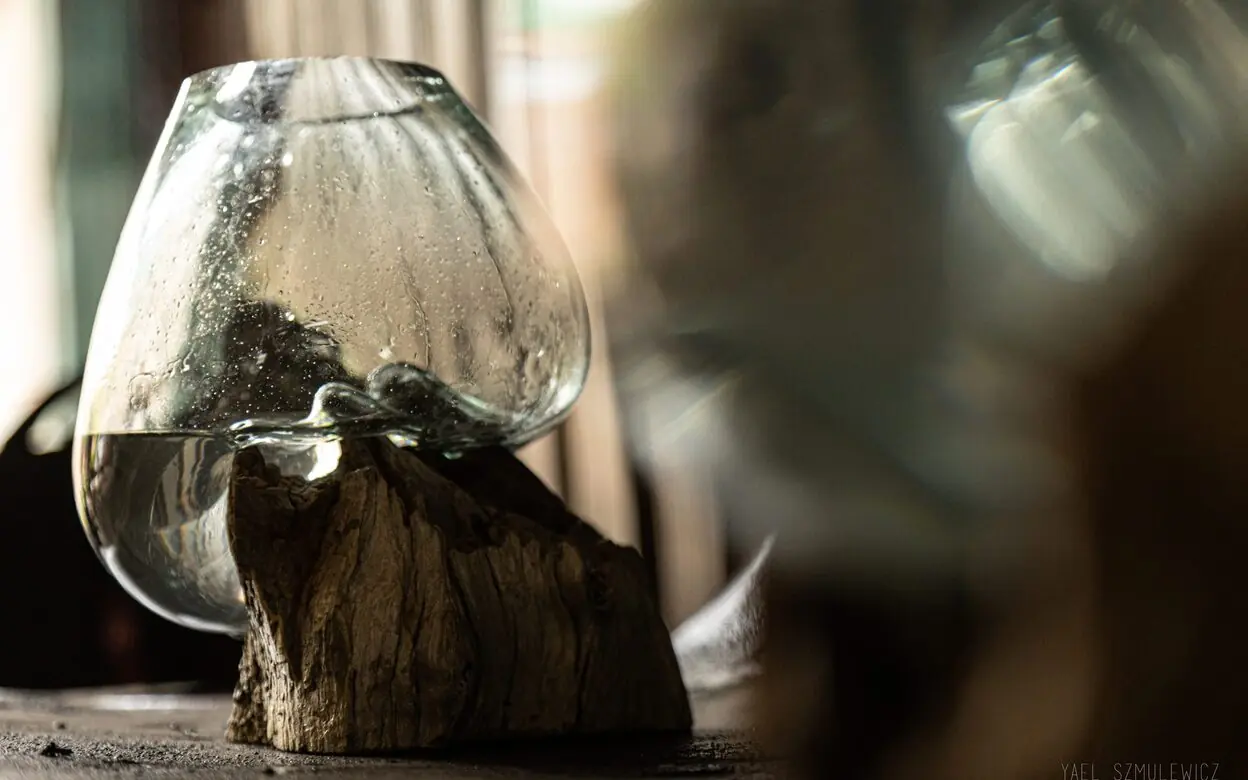
Blown glass on rescued wood. Transparency resting on texture, the liquid upon the solid. Two different cooling times in a single object.